After menopause, bone breakdown can quietly outpace renewal, and most women never feel it
By Karen Whitfield | Women's Health Writer

Karen's sister-in-law Joan was 61, walked every morning, and took her calcium like clockwork.
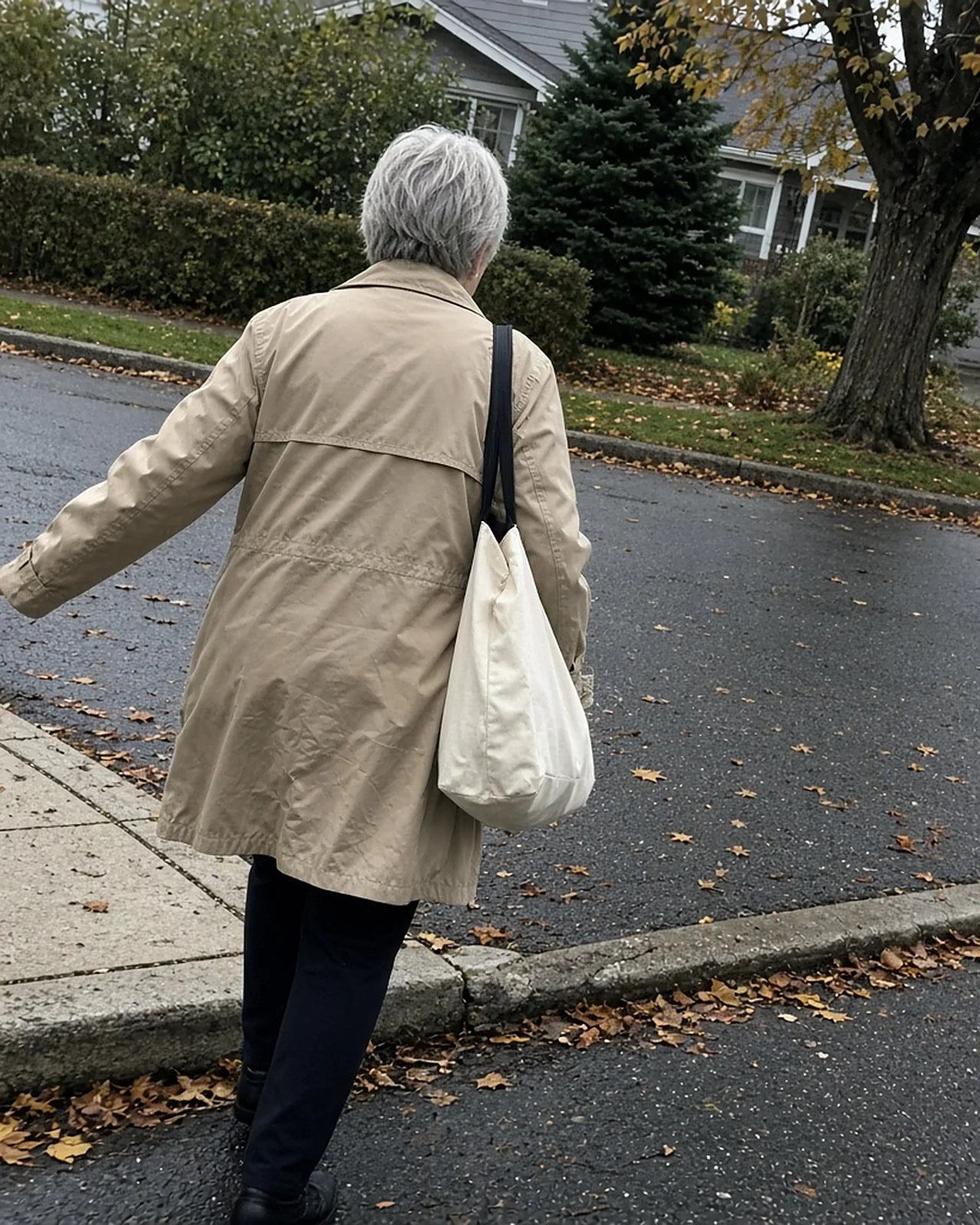
Then she stepped off a curb wrong in a parking lot. A broken wrist. Her DEXA afterwards came back with a word she'd only heard about other people.
"I felt fine," she said. "I never felt a thing."

That's the part nobody warns you about. Bone loss after menopause usually has no symptoms at all. You don't feel it happening. You find out on paper, or after a fall.
look, the signs you think are normal… might not be
- You've lost a little height and blamed your posture
- Your T-score dropped at your last scan, even with calcium
- Your back aches after standing at the stove
- You hold the rail on stairs you used to skip down
- You've had a fracture from a fall that "shouldn't have" broken anything
- Your mother or grandmother had a stooped back or a broken hip
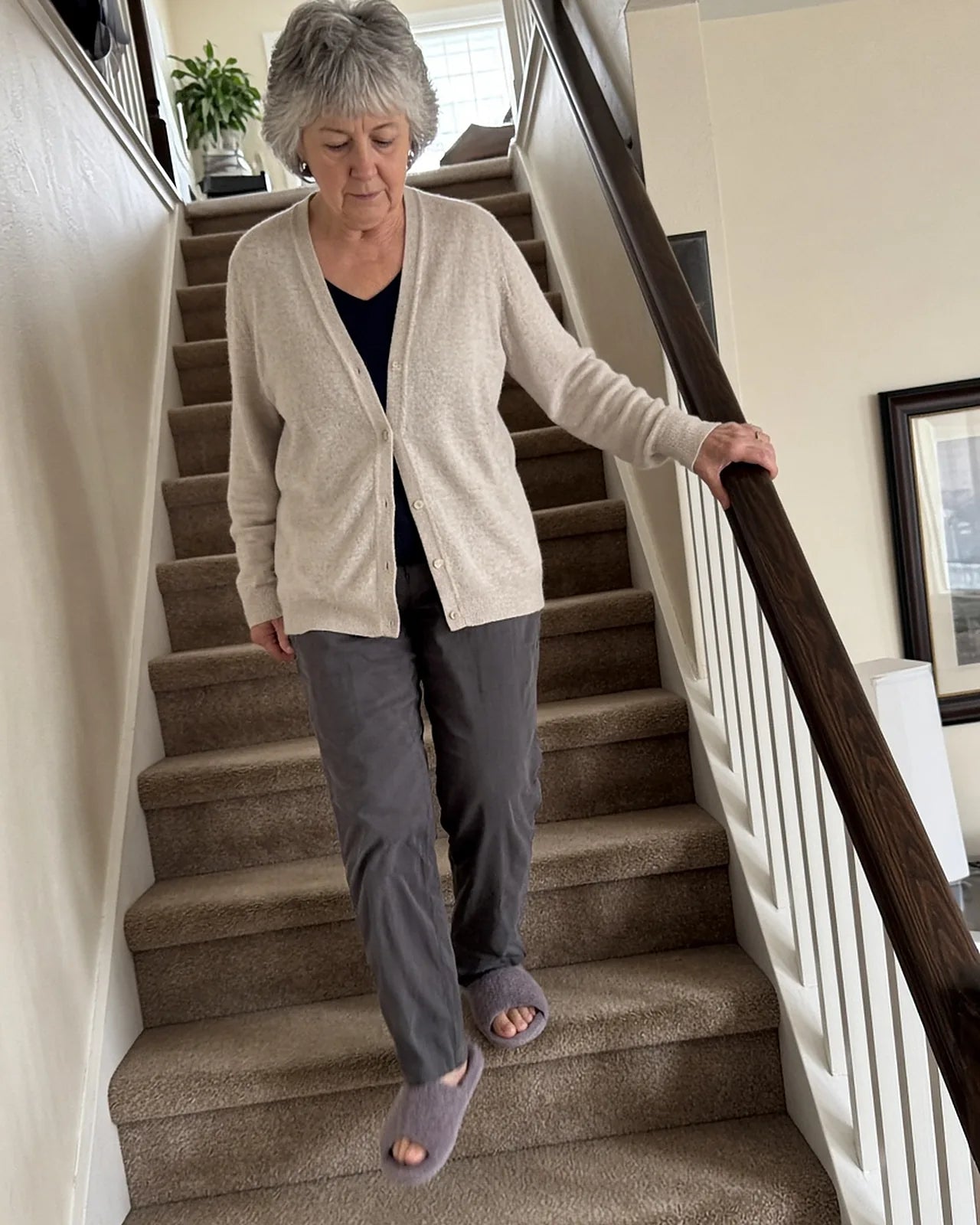
If two or three of those sound familiar, it's worth a conversation with your doctor and a closer look at what your bones need now.
the quiet change inside your bones
Bone isn't a rock. It's living tissue, constantly being rebuilt.
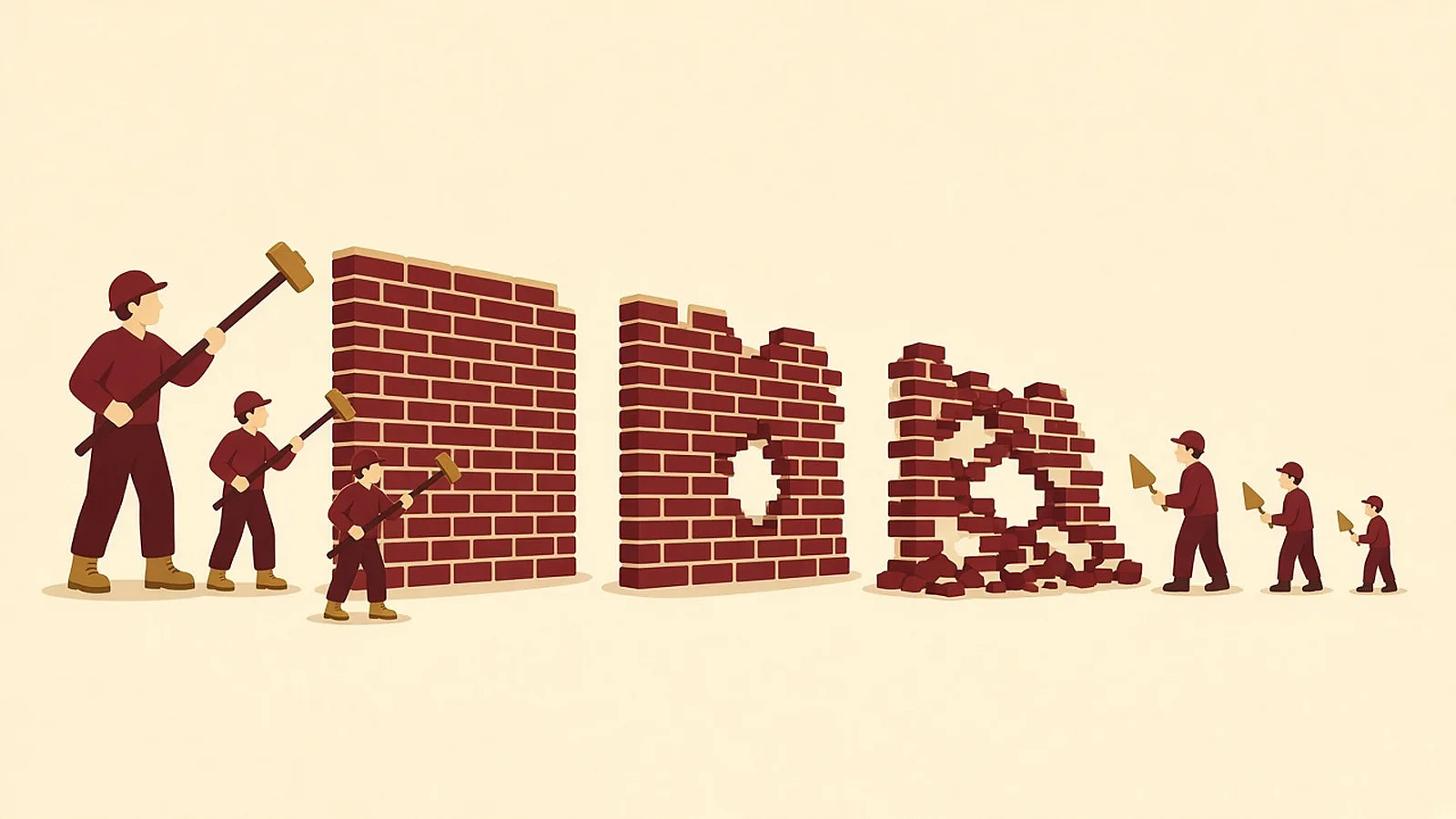
One crew clears old bone away. Another crew lays new bone down. For most of your life, the two stay roughly in balance.
After menopause, estrogen drops, and that balance tips:
- The clear-out crew speeds up. More old bone is removed than before.
- The builders slow down. Building bone takes energy, and cellular energy tends to fall with age.
- Inflammation rises. It adds pressure on the clear-out side.
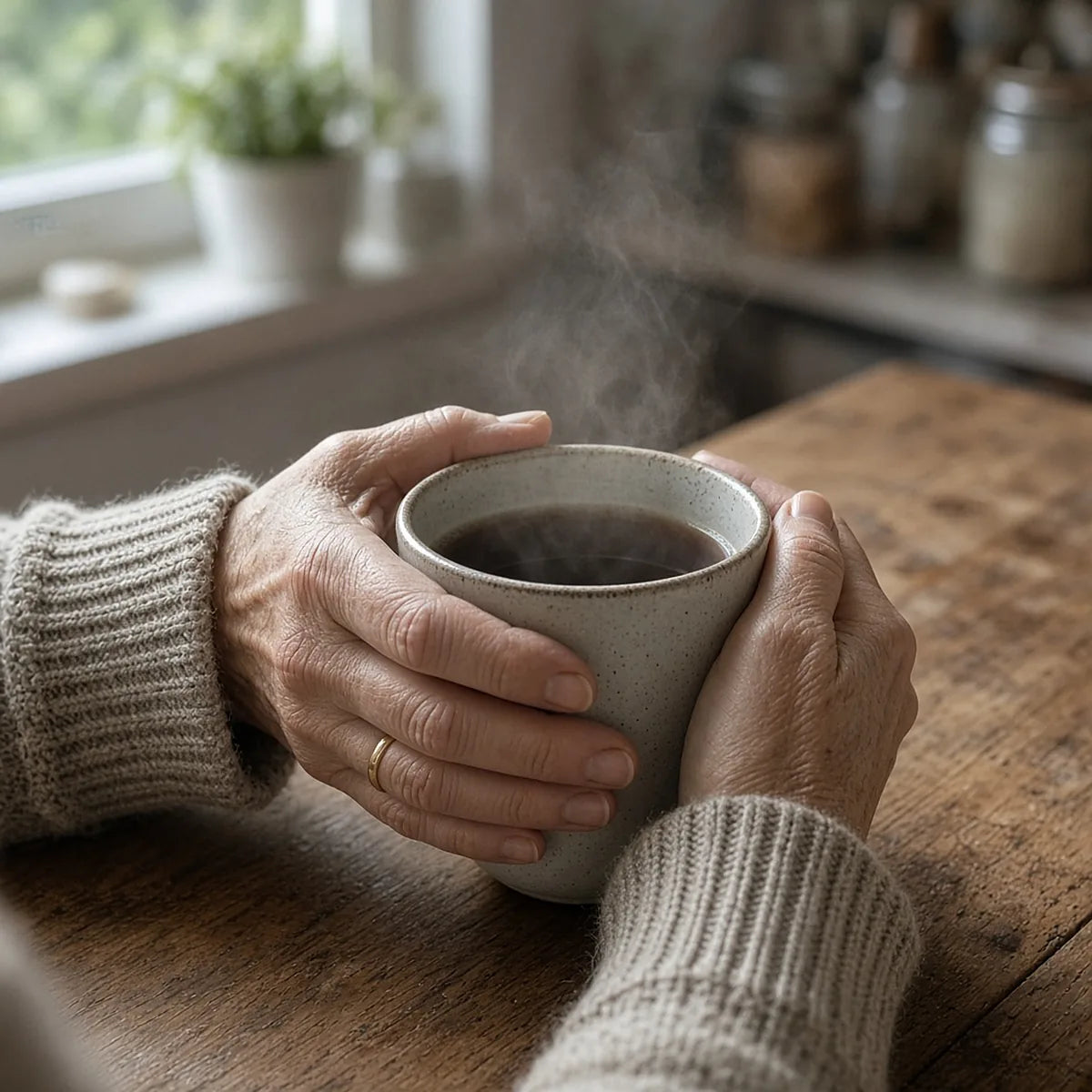
The result is a slow, silent drift. One scan at a time.
why the usual advice only goes so far
Here's what makes it frustrating…
You've probably done the right things:
- Calcium? It's the raw material. But bricks alone don't help if the crews are out of balance.
- Vitamin D? Helps you absorb calcium. Same problem.
- Walking? Great for you. Many women walk every day and still see their scan slip.
- The bone drugs? Many women feel uneasy about them and want to understand every option with their doctor.
None of those is wrong. They just don't address everything going on.
the study that changed how I thought about this
When Joan started researching, she found a 24-month, double-blind, placebo-controlled human study called RESHAW.
Postmenopausal women took 150mg of resveratrol a day.
Compared with placebo, their bone density improved at the lumbar spine and the femoral neck, the top of the thigh bone where hip fractures happen. A blood marker of bone breakdown fell.
But here's what nobody tells you: the dose is everything.
Most resveratrol on the shelf is 25 to 50mg. Some hide the amount in a "proprietary blend." That's like trying to fill a bathtub with a teacup.
The study used 150mg a day. That's the number to look for.
the three-part approach more women are trying
Joan learned that calming the clear-out is only part of it. You also want to support the builders.
- Resveratrol (150mg), from the root of Japanese knotweed, at the RESHAW dose.
- Quercetin (250mg), from the flower buds of the Japanese pagoda tree, a plant compound studied in postmenopausal women for healthy inflammation and bone-formation signals.
- NAD+ (500mg), the molecule every cell uses to make energy, for the builders.

finally, a formula built around the study
One small company put all three into two daily capsules. It's called Revosil Bone.

- 150mg resveratrol, 98% trans: the RESHAW dose
- Cold-extracted, with no spray-drying
- Independent lab verified, no proprietary blends
real women, real stories

"I was the one who felt fine. After my scan I wanted something with an actual study behind it. Six months in, my numbers finally moved."
Joan D., 61 | Verified Customer
"My mother broke her hip at 74. I'm 66 and I'm doing everything I can. Two capsules every morning is easy."
Rita F., 66 | Verified Customer

"I'm skeptical of everything. The lab result is what got me."
Sharon B., 58 | Verified Customer
Individual results may vary.
here's what nobody tells you
Bone works on a slow clock. You won't feel anything in the first few weeks, and a scan won't show change that fast either.
Months 3 to 6 are the window. That's why I tell every woman to start with the 6-month supply, so she makes it all the way to her next DEXA without a gap.

your next scan is coming either way
Every day, the clear-out crew is working. The only question is whether you're giving your builders any help.
Imagine opening your next DEXA letter and reading it calmly. Carrying your grandkids. Saying yes to the trip.

the decision Joan made
"I'd spent years doing the same thing and hoping for a different number. I got the 6-month supply and put my rescan date on the fridge."
Revosil Bone comes with a 180-day money-back guarantee, long enough to get to your next scan.
P.S. If two or three of the signs above sound familiar, talk to your doctor about a DEXA, and give your bones the studied dose in the meantime. See Revosil Bone →